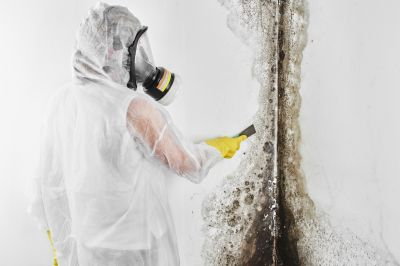
White Mold Mitigation in Essex County, NJ
White mold mitigation services focus on identifying and removing mold growth that appears as white or light-colored patches on interior surfaces. These services are often requested for projects involving water damage, high humidity areas, or hidden mold behind walls and ceilings. Property owners typically want to understand the extent of mold presence, the methods used for safe removal, and how to prevent future growth, especially in spaces prone to moisture buildup such as basements, bathrooms, or attics.
Before requesting white mold mitigation, homeowners should consider the location and size of the affected areas, as well as any visible signs of mold or water intrusion. It is important to assess whether the mold is limited to surface areas or if it has penetrated deeper into building materials. Clear communication about the scope of the project can help ensure proper remediation, and property owners often seek guidance on necessary repairs to address underlying moisture issues that contribute to mold growth.
Many property owners in Essex County, NJ look into White Mold Mitigation for repairs, replacements, upgrades, and appearance-related improvements.
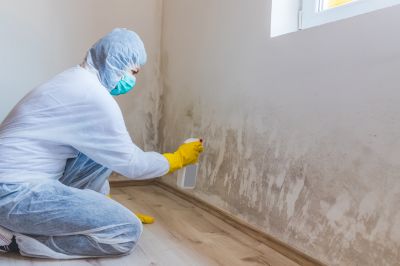
Understanding White Mold
White mold often appears in damp, hidden areas of homes in essex county, nj, and can cause health concerns if not addressed.
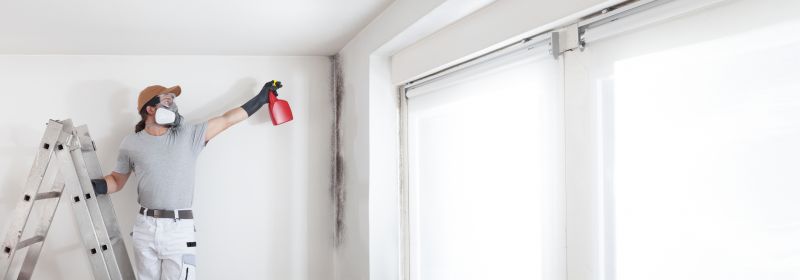
Signs Of White Mold Infestation
Visible fuzzy patches or a musty odor may indicate the presence of white mold in basements, bathrooms, or crawl spaces.
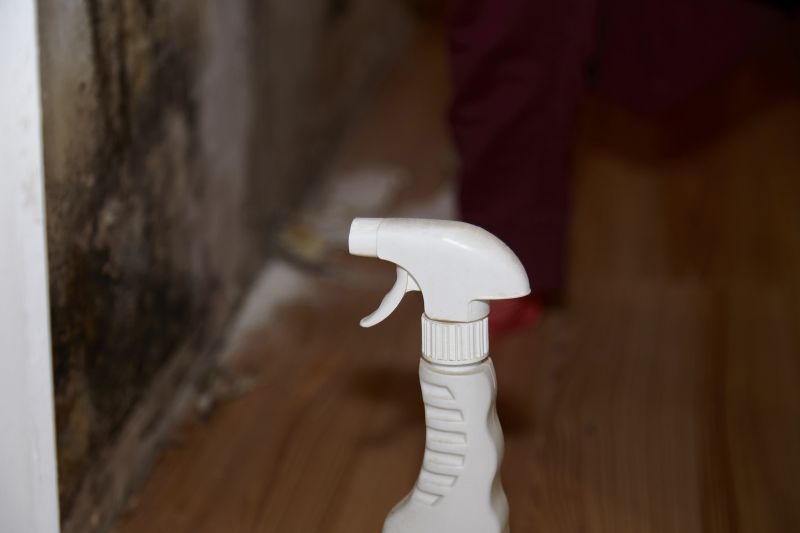
Mitigation And Prevention Strategies
Effective removal involves moisture control and thorough cleaning to prevent future growth in residential and commercial properties.
White Mold Mitigation in Essex County, NJ
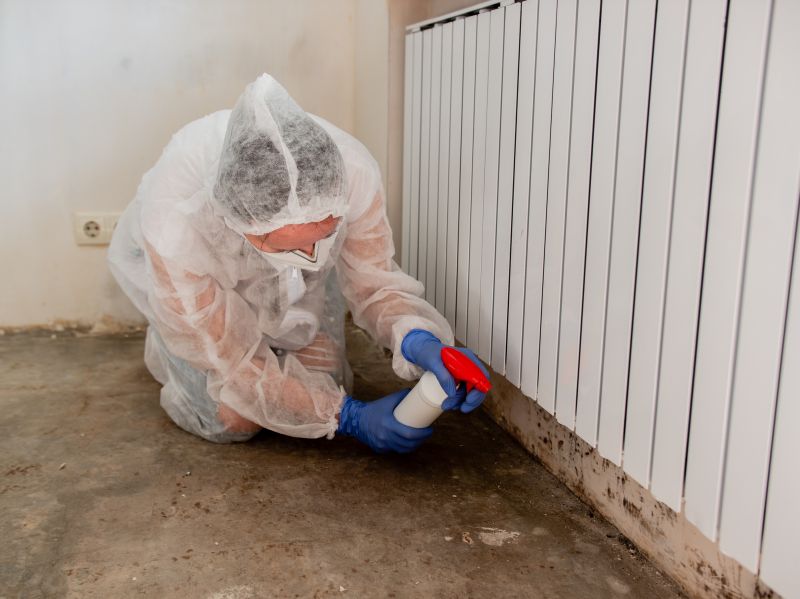
White mold mitigation services focus on identifying and removing mold growth that appears as white or light-colored patches on interior surfaces. These services are often requested for projects involving water damage, high humidity areas, or hidden mold behind walls and ceilings. Property owners typically want to understand the extent of mold presence, the methods used for safe removal, and how to prevent future growth, especially in spaces prone to moisture buildup such as basements, bathrooms, or attics.
Before requesting white mold mitigation, homeowners should consider the location and size of the affected areas, as well as any visible signs of mold or water intrusion. It is important to assess whether the mold is limited to surface areas or if it has penetrated deeper into building materials. Clear communication about the scope of the project can help ensure proper remediation, and property owners often seek guidance on necessary repairs to address underlying moisture issues that contribute to mold growth.
Many property owners in Essex County, NJ look into White Mold Mitigation for repairs, replacements, upgrades, and appearance-related improvements.
Common White Mold Mitigation Jobs
White Mold Removal - targeted removal to eliminate visible mold growth on interior surfaces.
Mold Remediation - comprehensive treatment to address mold issues in affected areas.
Moisture Control - identifying and reducing sources of excess humidity that promote mold growth.
Structural Drying - drying out affected building materials to prevent mold from returning.
Surface Cleaning - cleaning and disinfecting surfaces to remove mold spores and prevent re-infestation.
Preventive Solutions - applying treatments to inhibit future mold development in vulnerable spaces.
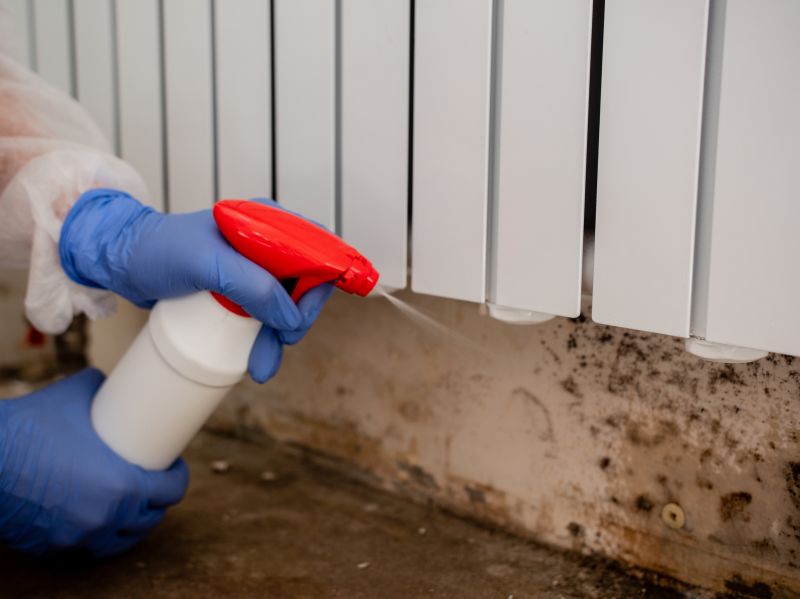
White Mold Mitigation Questions
What causes white mold to develop indoors? White mold often grows in areas with excess moisture, such as bathrooms, basements, or around leaks, where humidity levels are high.
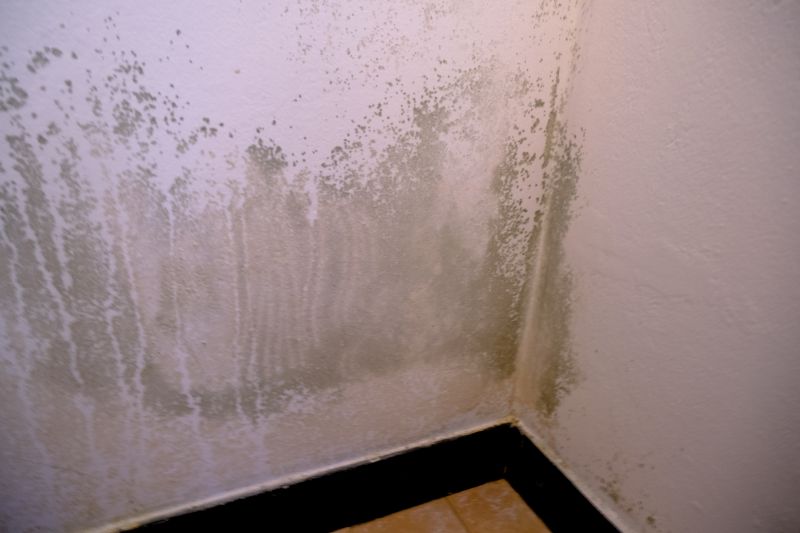
How can property owners identify white mold? White mold appears as a fluffy or powdery white growth on surfaces like walls, ceilings, or insulation, especially in damp or previously wet areas.
Is white mold harmful to health? White mold can cause allergic reactions, respiratory issues, or irritation, particularly for individuals with sensitivities or existing health conditions.
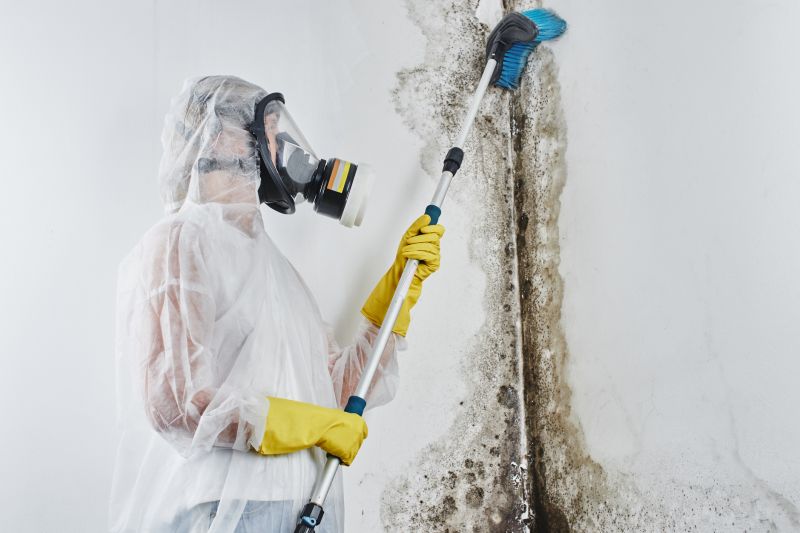
What is the typical approach to white mold mitigation? The process involves removing mold-affected materials, cleaning surfaces thoroughly, and addressing moisture sources to prevent future growth.
Request White Mold Mitigation in Essex County, NJ
Use the quote form on this page to share the basics of your project and request more information for the type of work you need.